
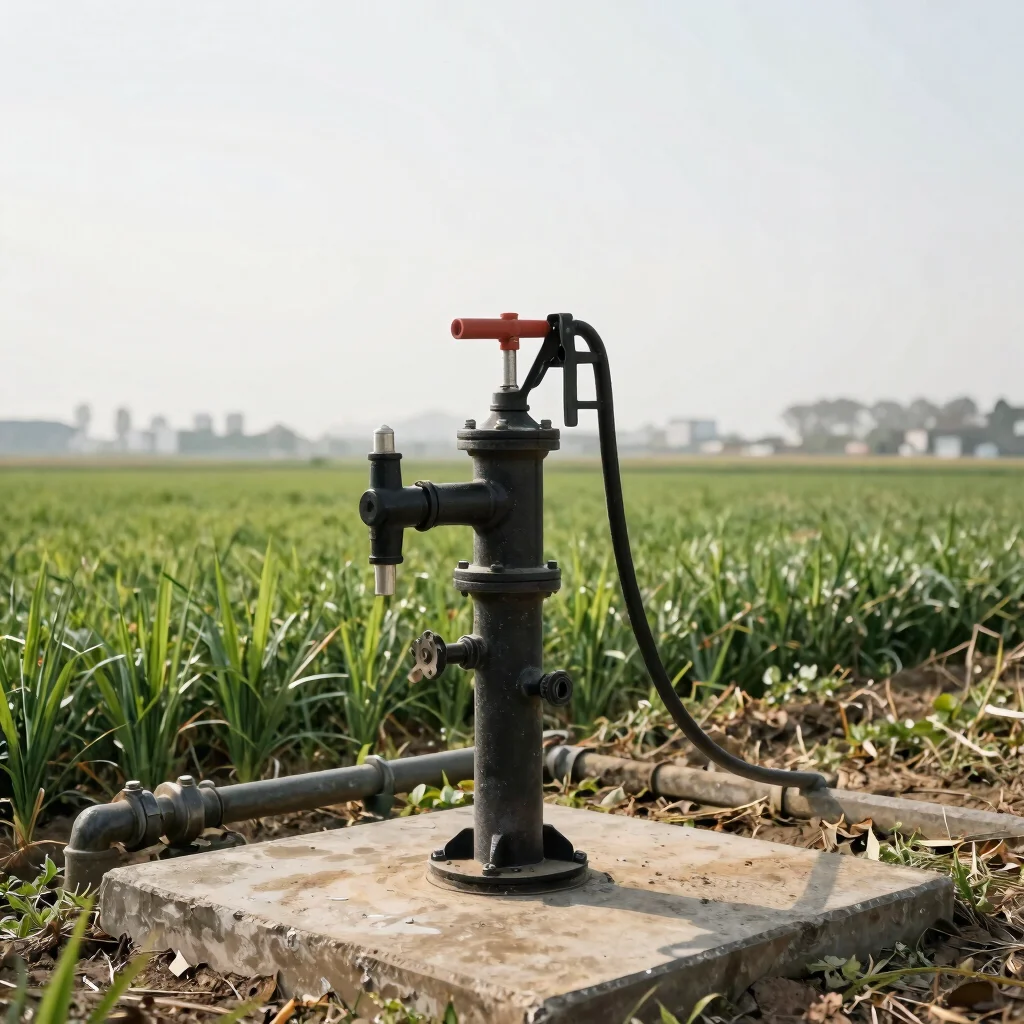
A pump is often described by its capacity or technical efficiency. On a farm, though, the decision to install or run one also depends on the cost of energy, access to repairs, and the timing of water needs. Those conditions belong in the analysis, not in a footnote after the engineering is done.
Look beyond the purchase
The initial equipment cost is only one part of ownership. A useful comparison also asks what the energy supply costs, how often components need attention, and whether spare parts or repair skills are available nearby. If a system is difficult to maintain, its performance on paper may not describe how it works over time.
Follow the incentives
Energy prices and water rules can influence when a pump runs and which users can afford to operate one. That does not determine a single outcome: local infrastructure and arrangements for sharing water matter too. It does mean that a technical recommendation should make its assumptions about costs and access visible.
Ask who carries the risk
When comparing pumping options, I would write down the full set of decisions the analysis includes: equipment, energy, maintenance, and the rules around water access. Then I would mark what is known locally and what remains an assumption. A good comparison is not the one with the neatest answer; it is the one that shows what could change that answer.